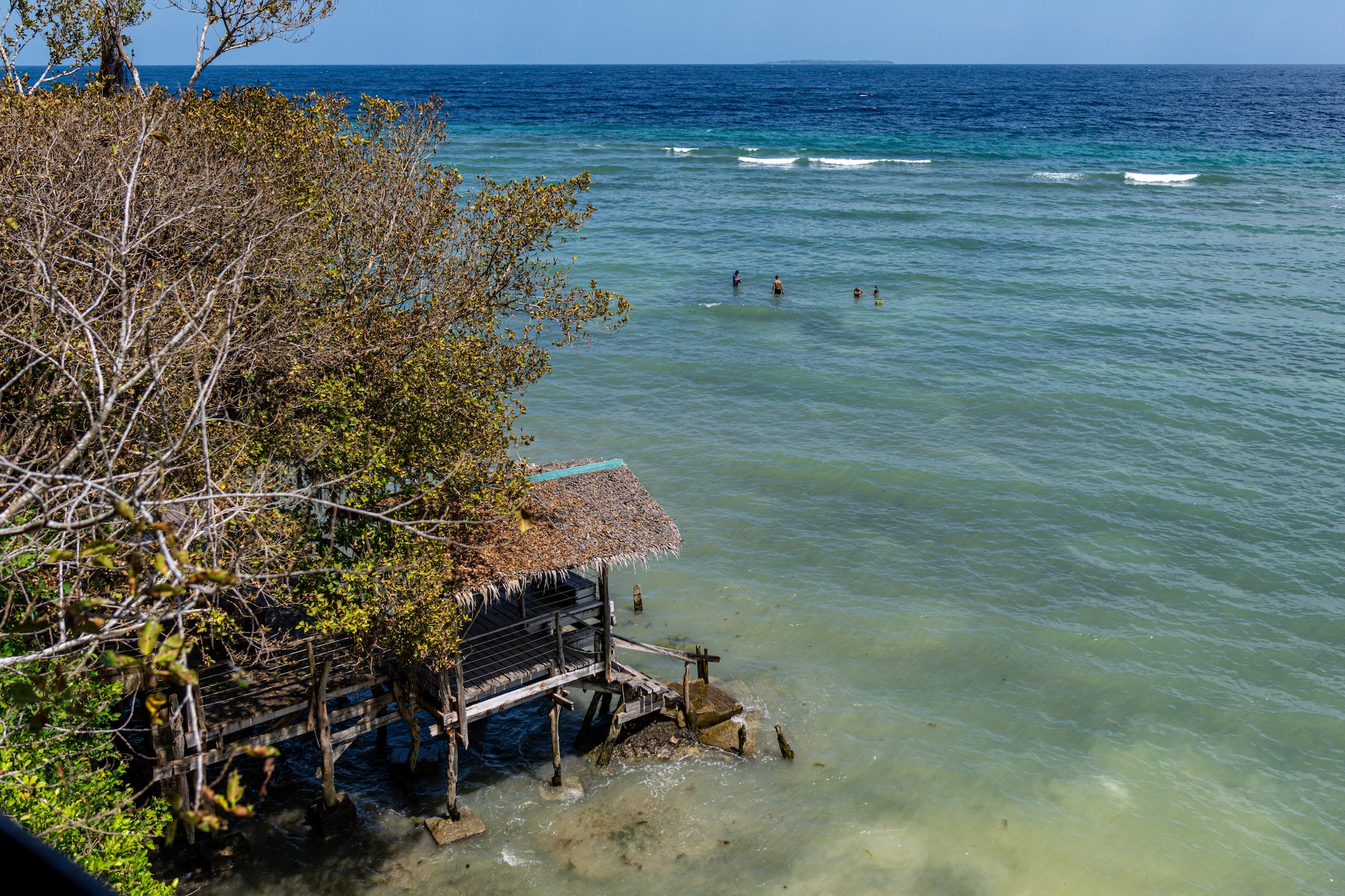

Okay, the first thing that comes to mind is — oh my gosh. Am I really writing this down in a new blog? And self-hosted at that?! Last blog post was 2020 and six years later here I am again. Feels surreal! I am just so amazed. I could geek out so much about the new blog (did you see the landing page?? I’ve been envisioning that for the longest time!) but here’s the new blog post first!
First up on the new era of me blogging again drum roll please!! I haven’t been travelling a lot since the pandemic, and mostly because living in a different country means leave credits go to visiting Manila. So when Jetstar launched their Brisbane–Cebu route, I’m stoked because finally.. maybe we can visit Cebu now? I mean, who hasn’t visited Cebu yet? It’s like the Philippine travel starter pack. The destination that always pops up in seat sales. But yep.. not me. Haven’t visited Cebu and Bohol yet.
So while me and Peter are discussing our travel plans for 2026, I initially suggested Central Visayas travel which spans from Cebu -> Bohol -> Siquijor -> Dumaguete. That was the initial plan but life happened and Peter had to stay back in Brisbane. Luckily for me, I have spontaneous friends who’s always on the go! ehem.. Thanks Ton!
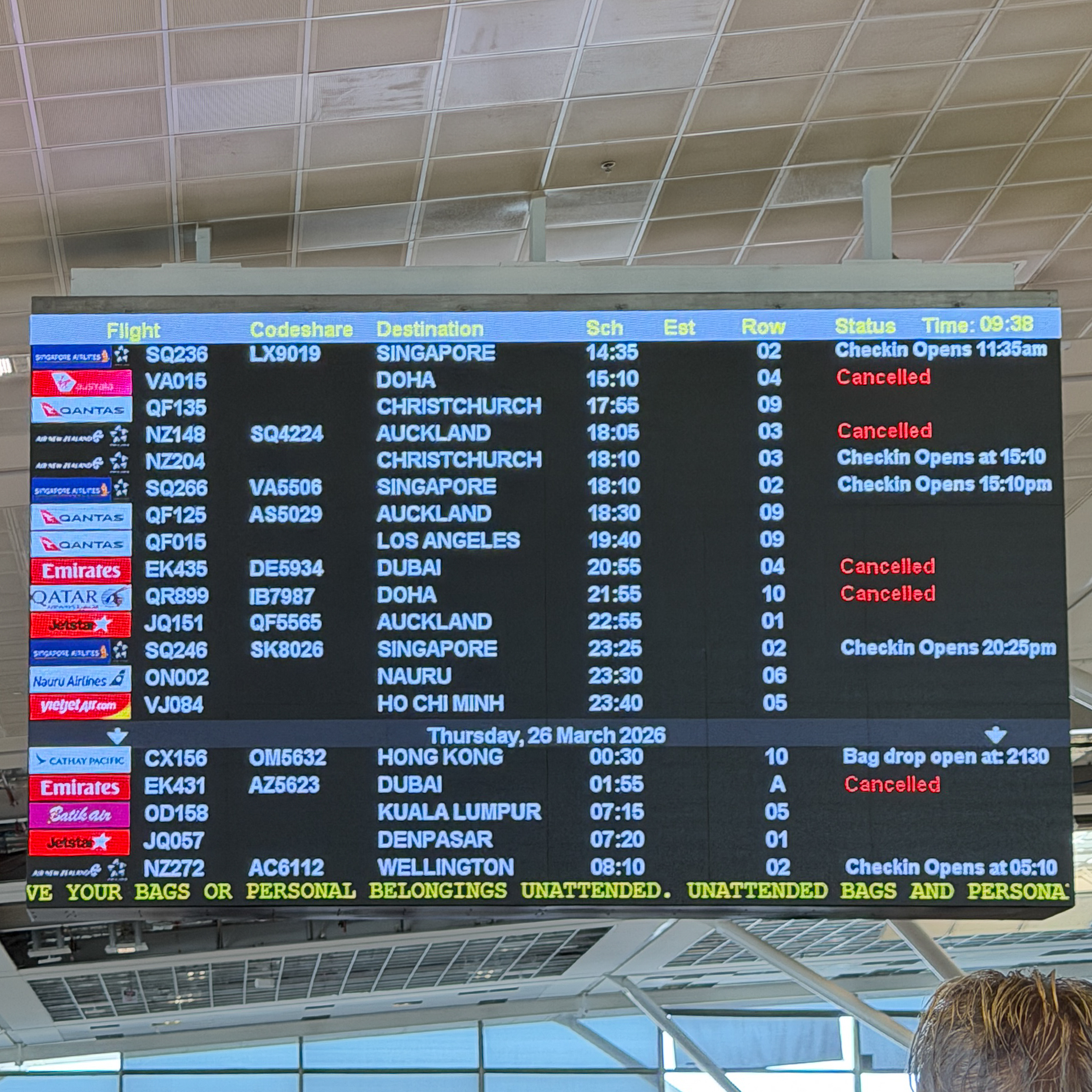
This trip is around the Easter break so I’m really expecting a lot of people travelling and my destination to be packed but maybe because of the Middle East conflict, it wasn’t as busy as I expected it to be. The airport wasn’t as packed for an Easter travel and you could see lots of Middle East flights getting cancelled in the monitor.
As someone now living Down Under, I really need to get used to long-haul flights because literally every destination involves a long-haul flight, and it never stops being tiring. Flying without Peter also made it extra boring. But eventually I landed at Cebu International Airport just past 6pm and grabbed a Grab to my accommodation in IT Park.
My first night was all self-care. First stop: Watsons in Ayala Center for toiletries, then a bit of walking to see where my feet would take me for dinner. Ended up with Jollibee palabok and spicy chicken. Ended the day with a full body massage, which to this day I still tell Peter was one of the best I’ve ever had. The masseuse just *knew* exactly where to target. Probably also helped that I had been training for Tour de Brisbane beforehand and my muscles were absolutely wrecked.
My first impression of Cebu? It reminded me a lot of Manila — the traffic, the energy, the rush. If not for the language, the difference between the two cities isn’t immediately obvious. What struck me on the drive in was just how many malls there were. I counted at least three or four from the road and felt a familiar kind of sadness. I really wish we had more parks.
Ton’s flight was arriving at 4am the next morning, which also happened to be the day our Cebu city tour started. So she arrived at around 4:30am, we napped for maybe an hour, and then we were off.
Temple of Leah
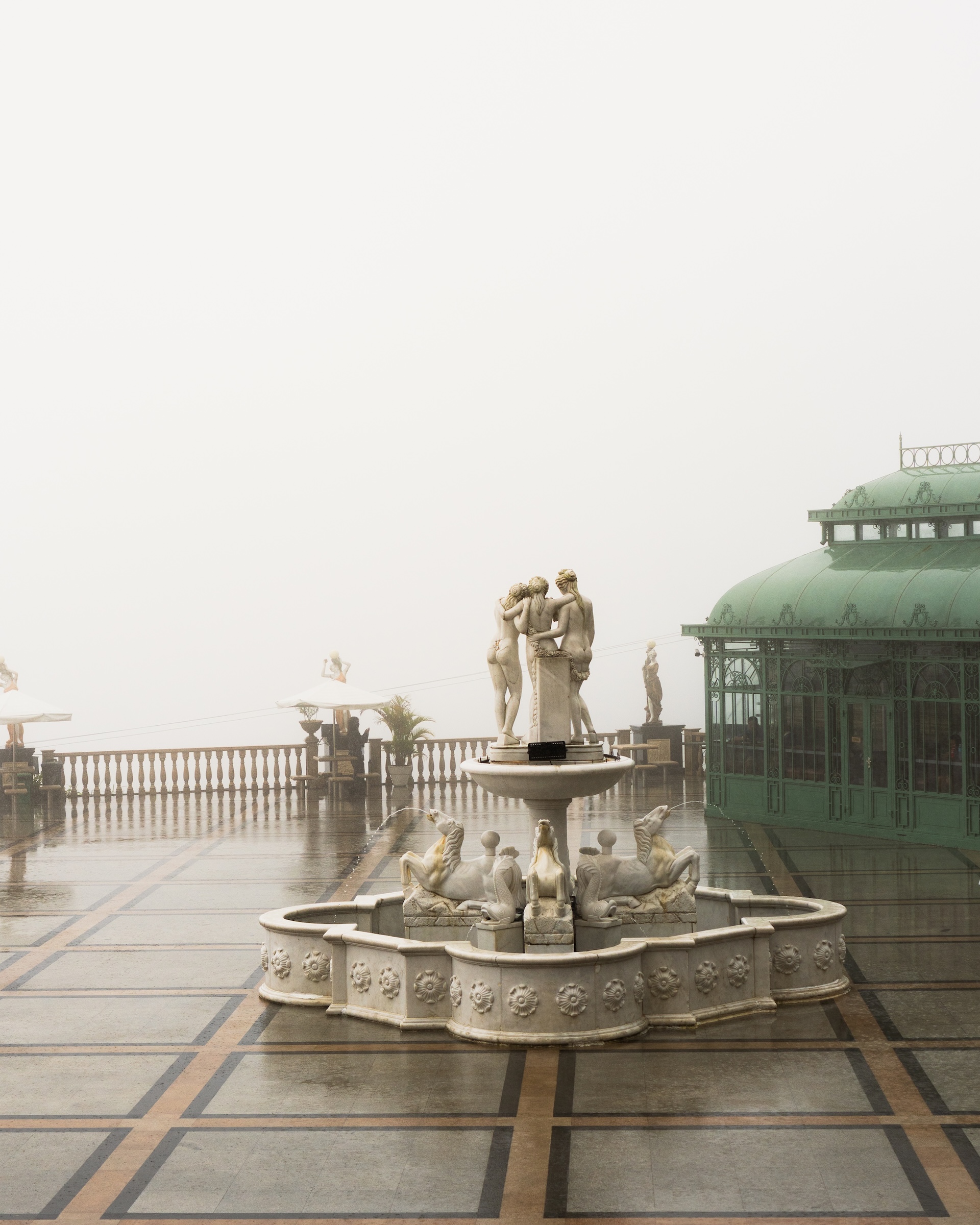
First stop was Temple of Leah, and it was raining hard. The fog was so thick we couldn’t even see the full facade of the building from outside — which was such a shame because the structure is genuinely impressive up close.
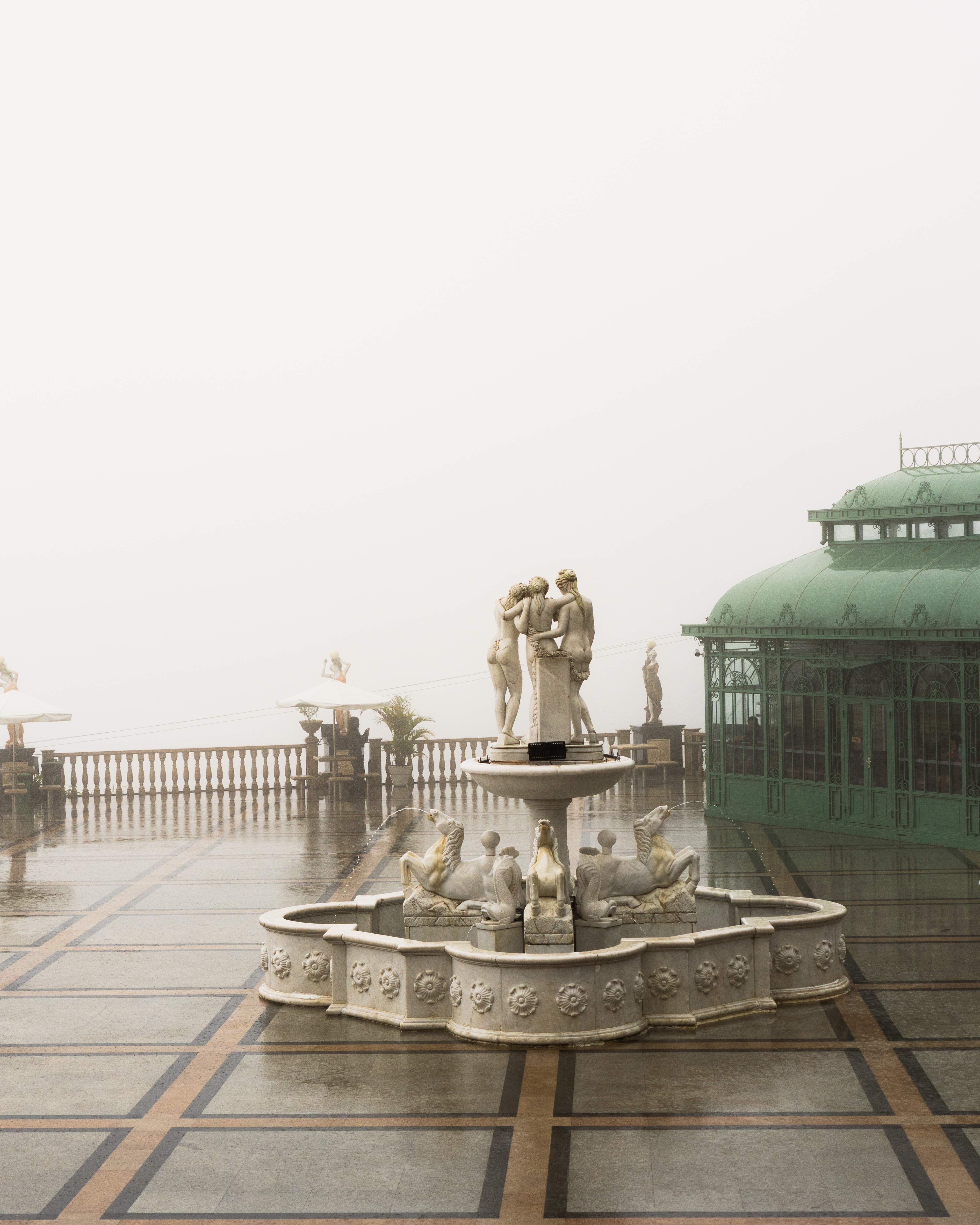
If you don’t know the backstory: the temple was built by Teodorico Adarna, a wealthy businessman and grandfather of actress Ellen Adarna, in honour of his late wife, Leah Villa Albino-Adarna. Leah passed away in 2010 and construction began in 2012. Inspired by classical Greek and Roman architecture, the temple features Roman columns, intricate sculptures, and grand statues — it’s sometimes called the Taj Mahal of the Philippines, which honestly feels fitting once you’re standing in front of it.
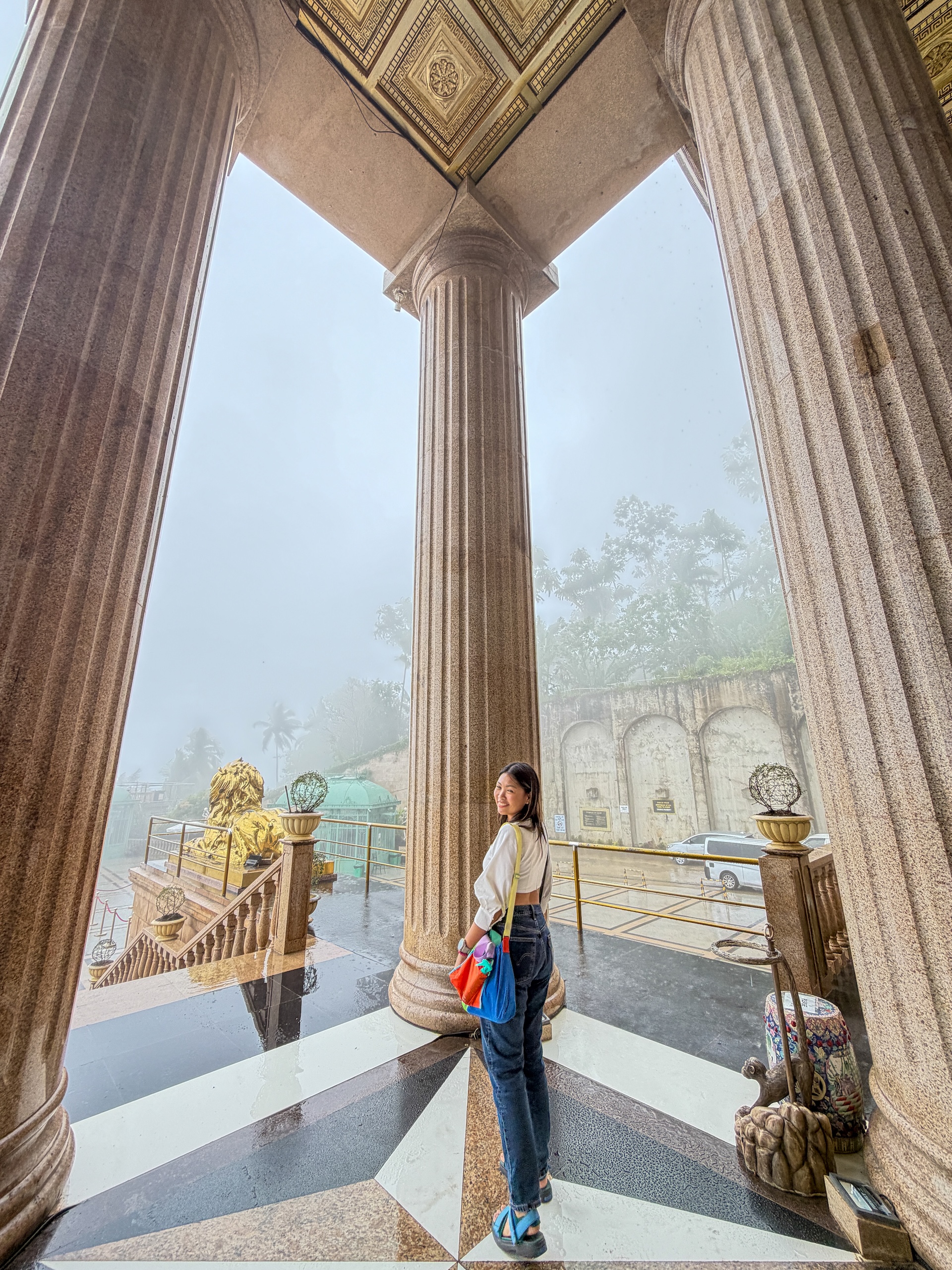
Inside, you’ll find Leah’s personal collection of books, antiques, and heirlooms. It’s less a tourist attraction in the traditional sense and more a monument to grief and love, and I think that’s what makes it feel different from other sites.
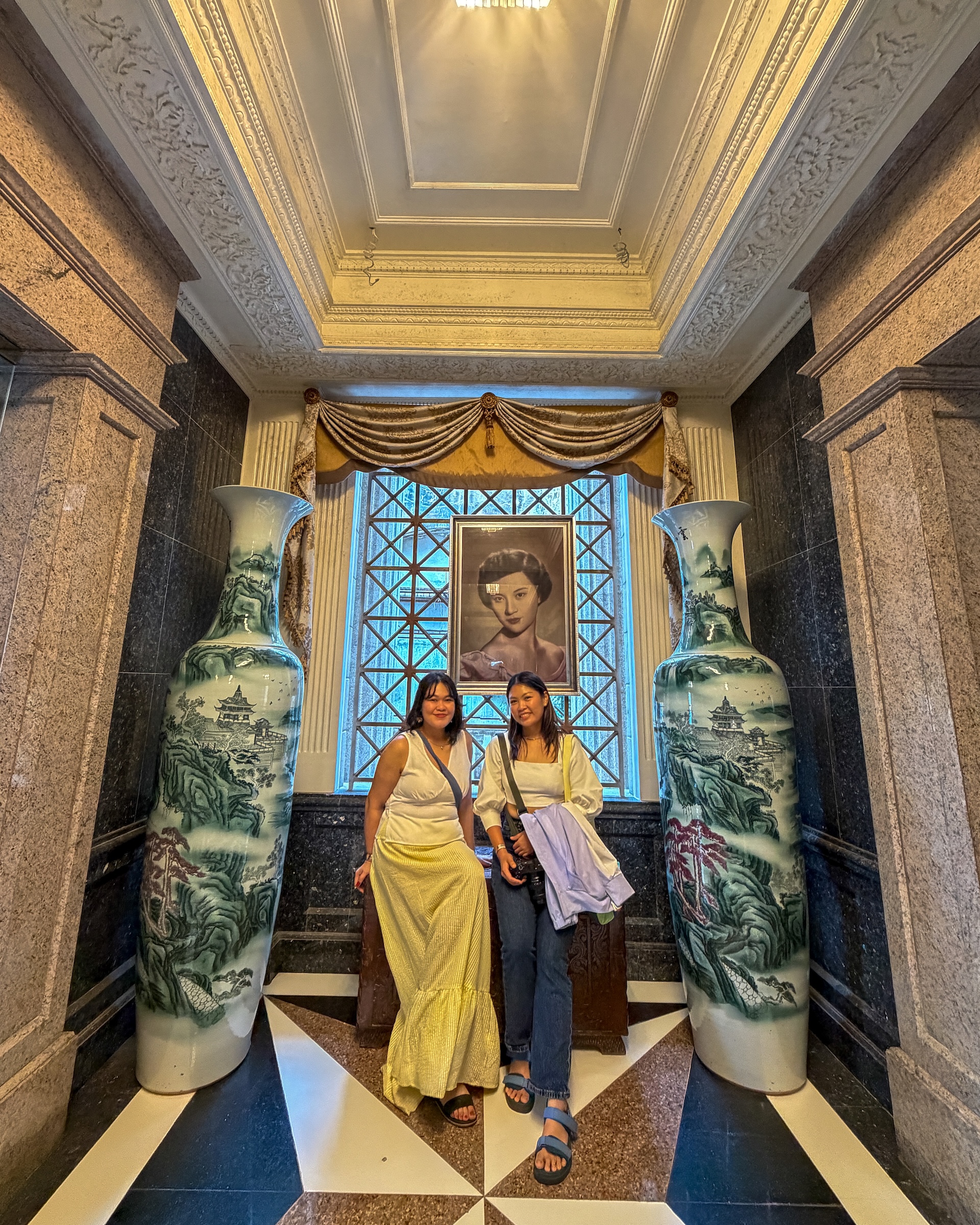
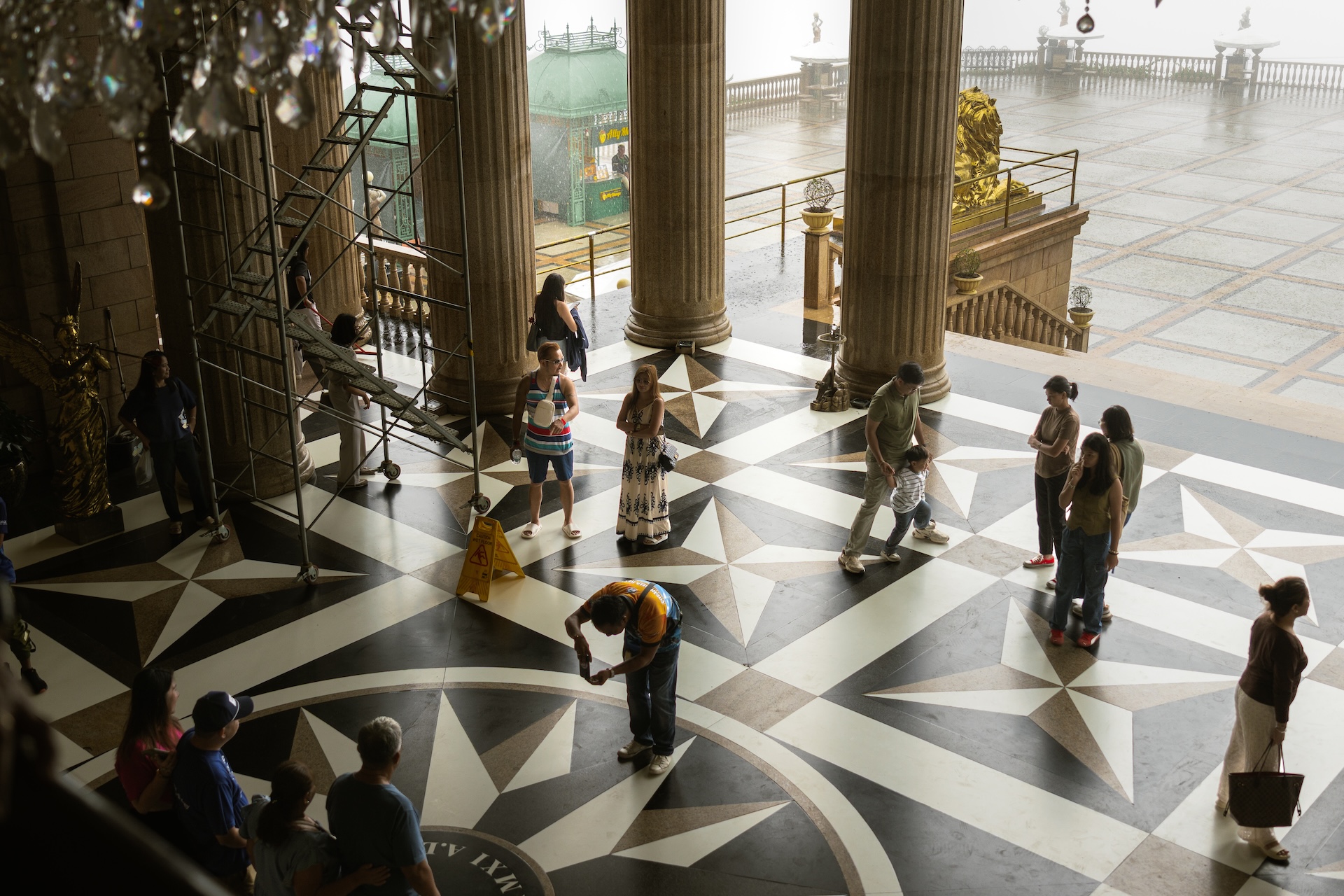
The rain took away a lot of the visual impact for us, but you could still feel the weight of the story. The fountain on the terrace, the fog rolling in over the city view — it actually made the whole place feel ethereal in its own way.
I guess it wasn’t really tied up to Cebu’s history but it became a travel destination for people visiting Cebu because of its structure and also maybe because of the touching history of the building.
Sirao Garden
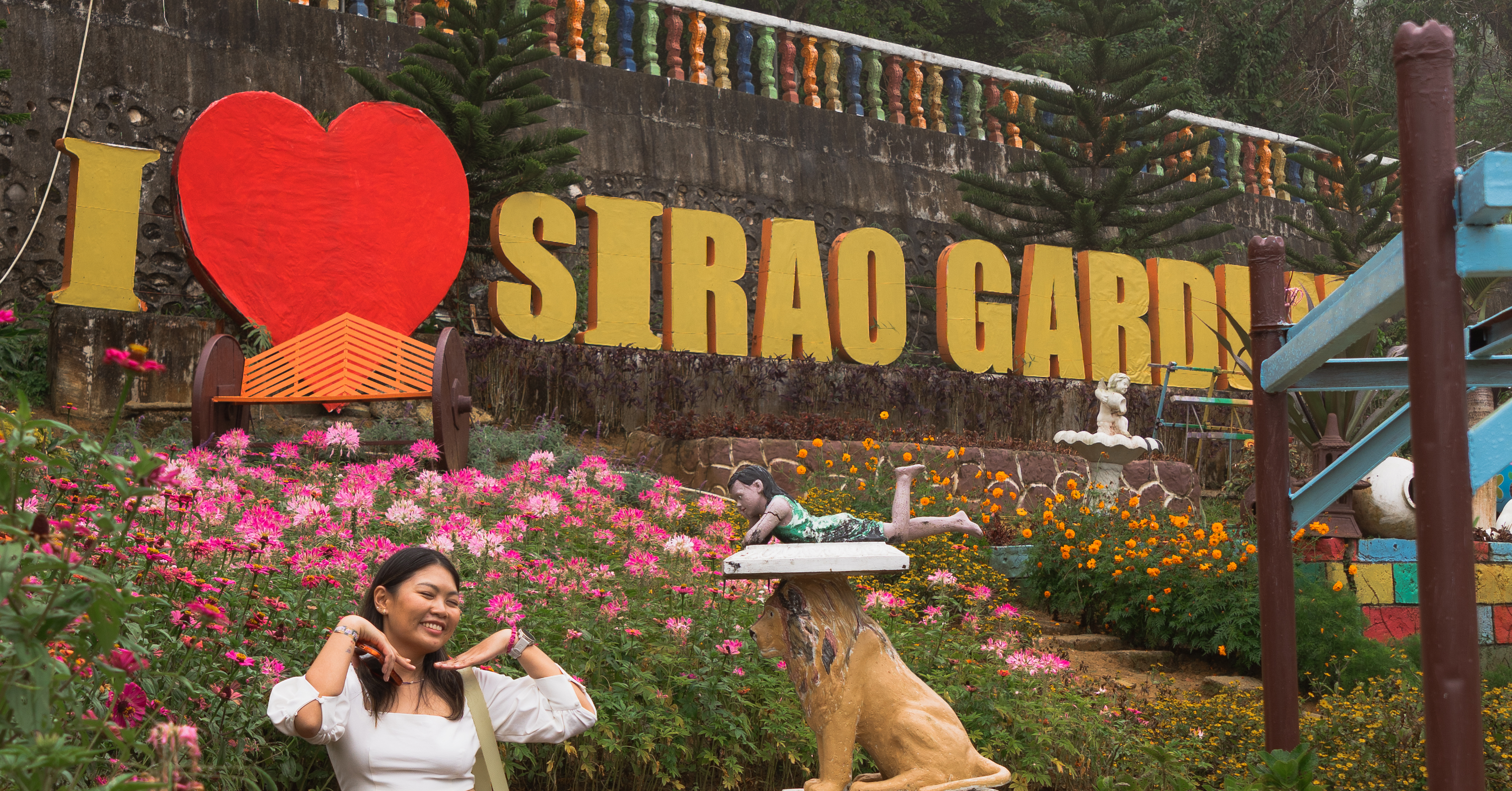
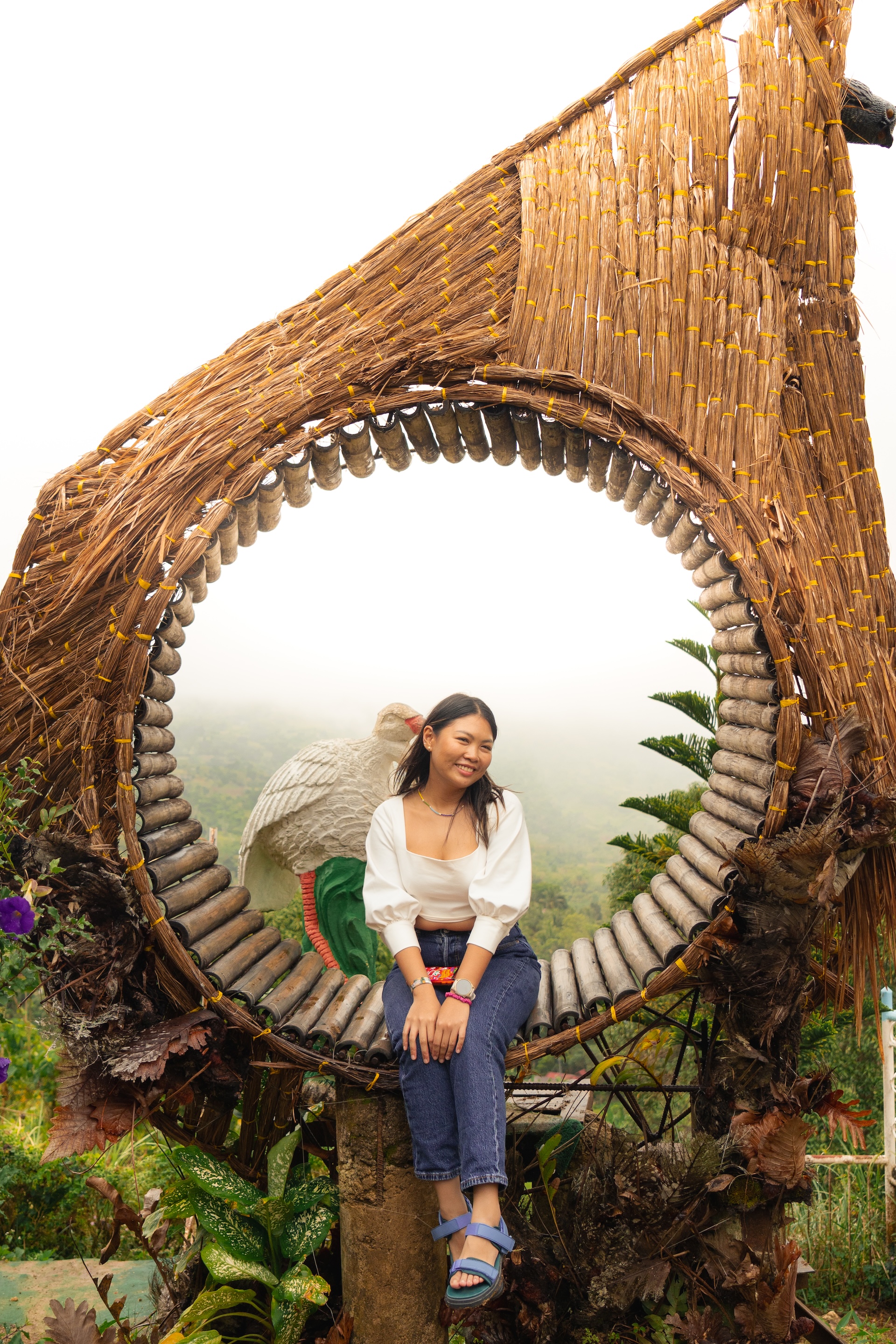
Also up in the highlands of Busay, Sirao Garden is what people call Little Amsterdam — and once you see the rows of flowers against the mountain backdrop, you get why. The garden started out in the early 2010s as a small flower farm owned by a local couple who cultivated celosia flowers as their main crop. Around 2015, someone posted photos of the blooming fields on social media and it went viral — and from there the owners leaned into it, adding walking trails, windmill replicas, and all sorts of photo spots to make it properly Instagram-worthy.
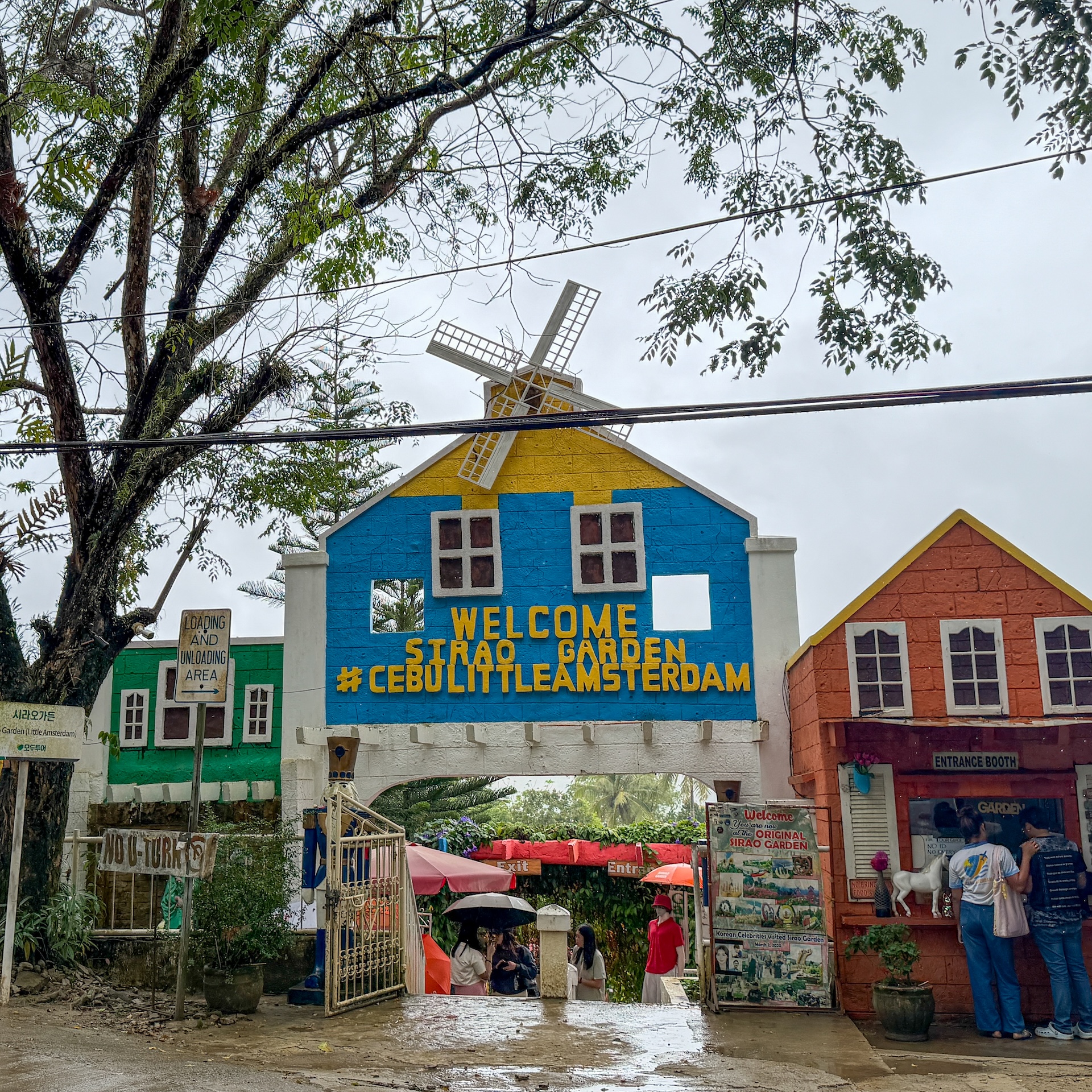
The place is genuinely well-maintained and there are tons of spots to get a good photo. But again — rain. It made everything slippery and harder to move around, and getting a good angle without risking a fall down the stairs was a bit of a challenge. I think on a sunny day this place would be very dreamy. On a rainy morning, it was more of a careful shuffle between flower beds.
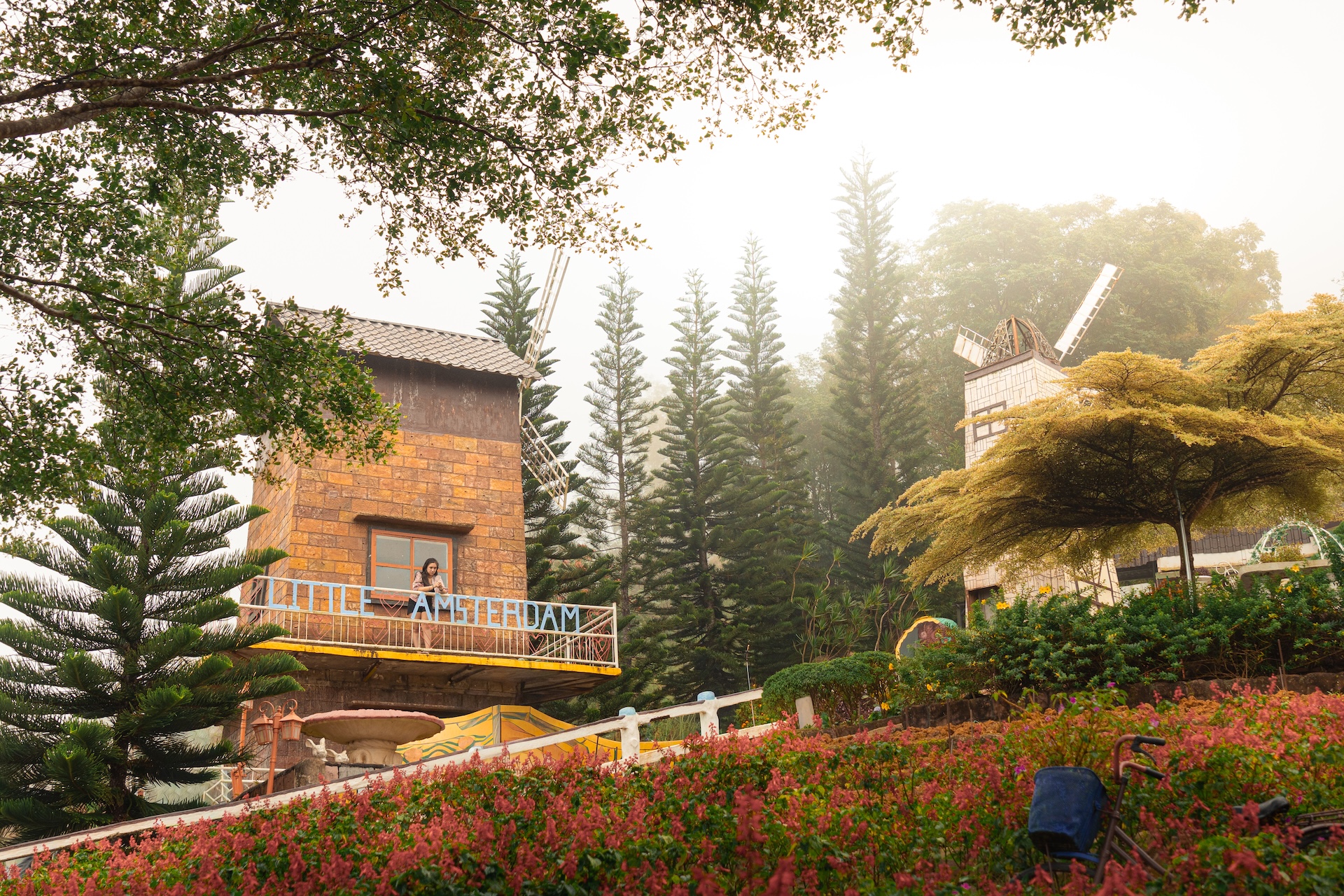
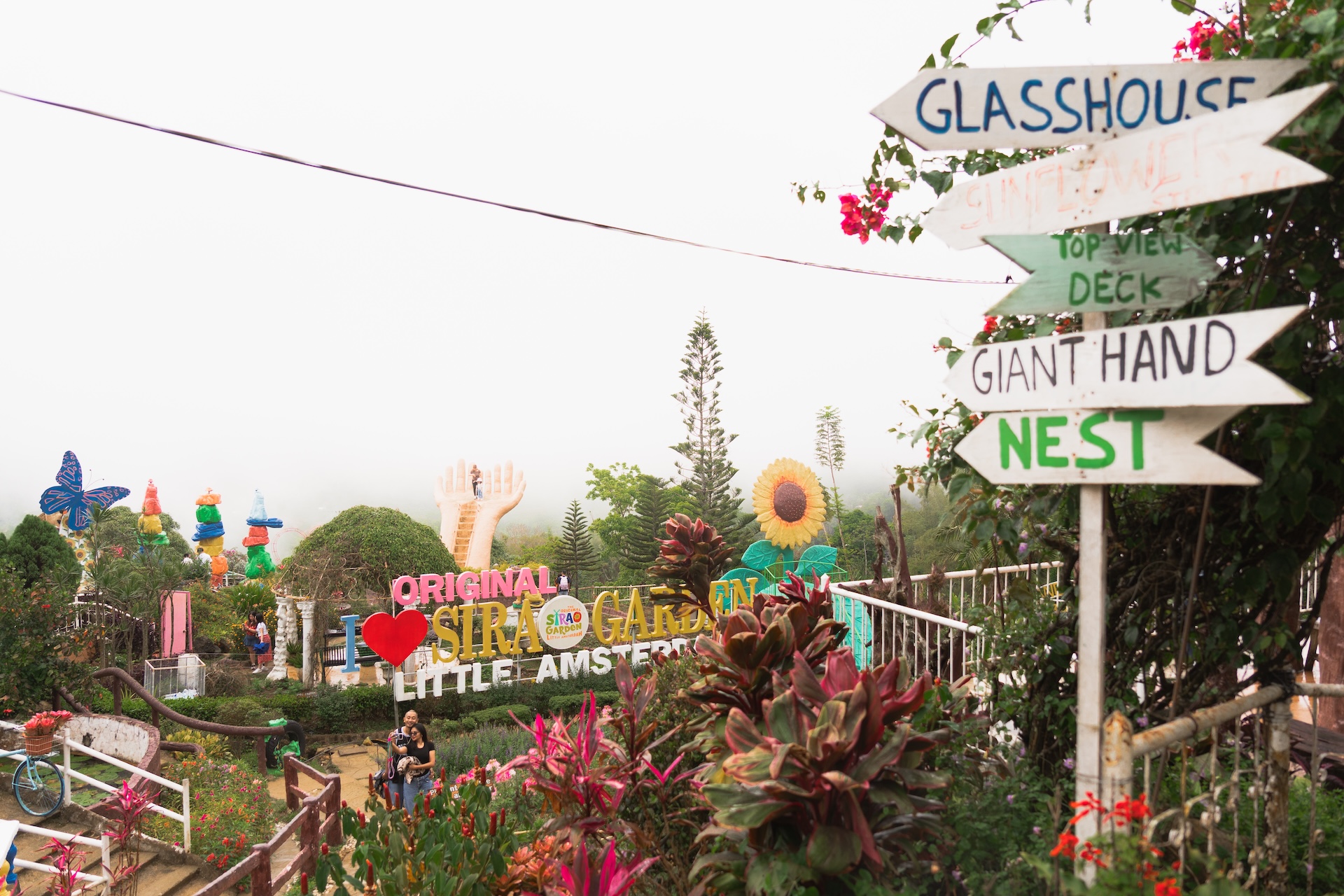
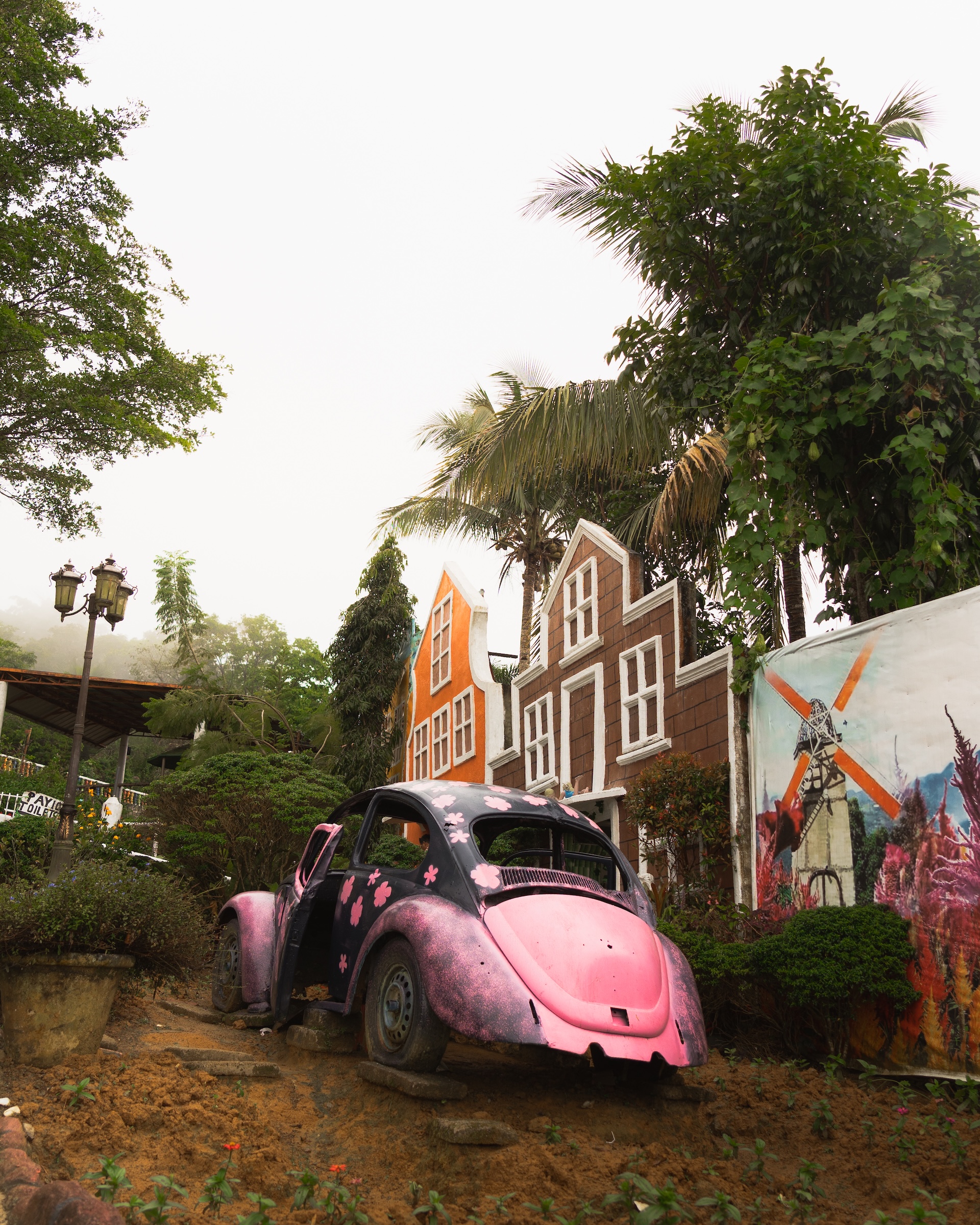
The quirky little details around the garden — the pink Beetle car, the Dutch-inspired facades — are actually charming once you stop trying to get a clean shot and just let yourself wander.
Taoist Temple
Next was the Taoist Temple, tucked inside Beverly Hills Subdivision in Lahug. The temple was built by Cebu’s Chinese-Filipino community in 1972 and sits at an elevation of about 110 metres above sea level. It follows the teachings of the ancient Chinese philosopher Lao Zi, and one of the rituals devotees perform involves climbing 81 steps — representing the 81 chapters of the Taoist scriptures — to light joss sticks and have their fortune read by monks.
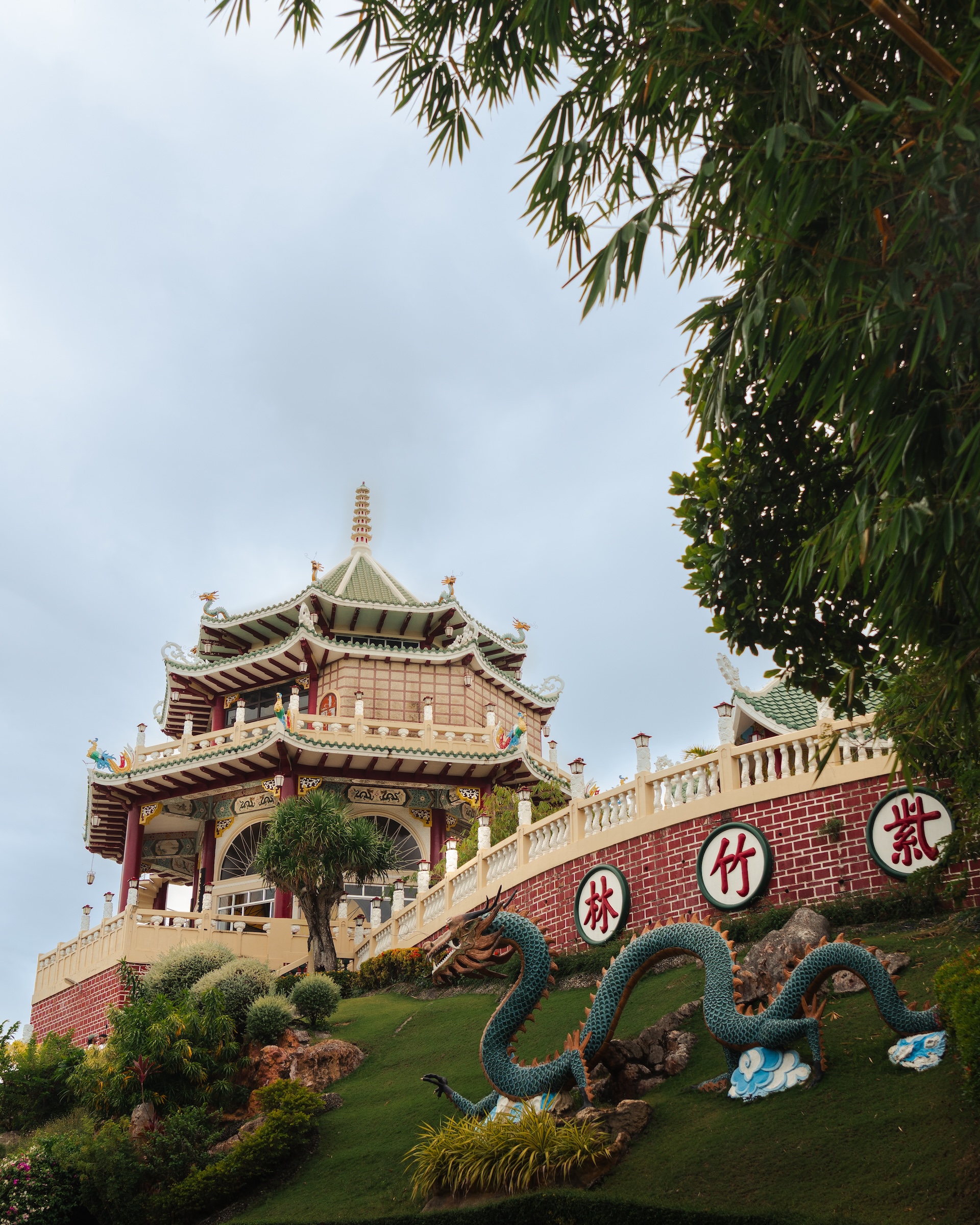
We weren’t allowed to take photos inside, which I completely respect. It reminded me a lot of Bell Church in Baguio — the architecture, the incense in the air, the layered sense of something genuinely sacred in a place that’s also open to tourists. Even as a non-religious visitor, there’s something calming about the space.
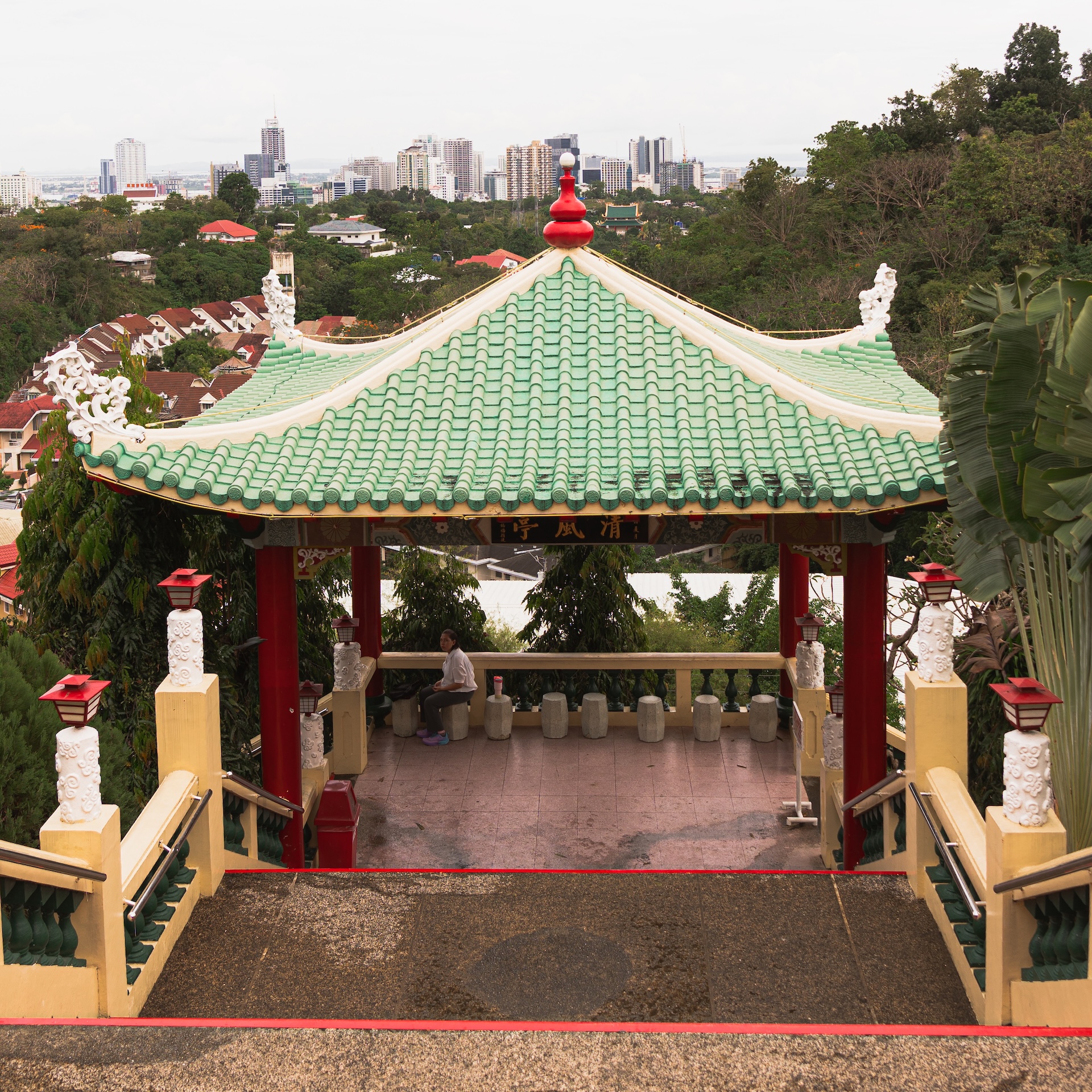
The views of the city from the balcony are also quietly stunning. You can see the whole of Cebu spread out below you.
Cebu Heritage Monument, Sto. Niño Church & Magellan’s Cross
The tour did a drive-by of the Cebu Heritage Monument without stopping, which was a little anticlimactic — you glimpse it through the window and that’s that.
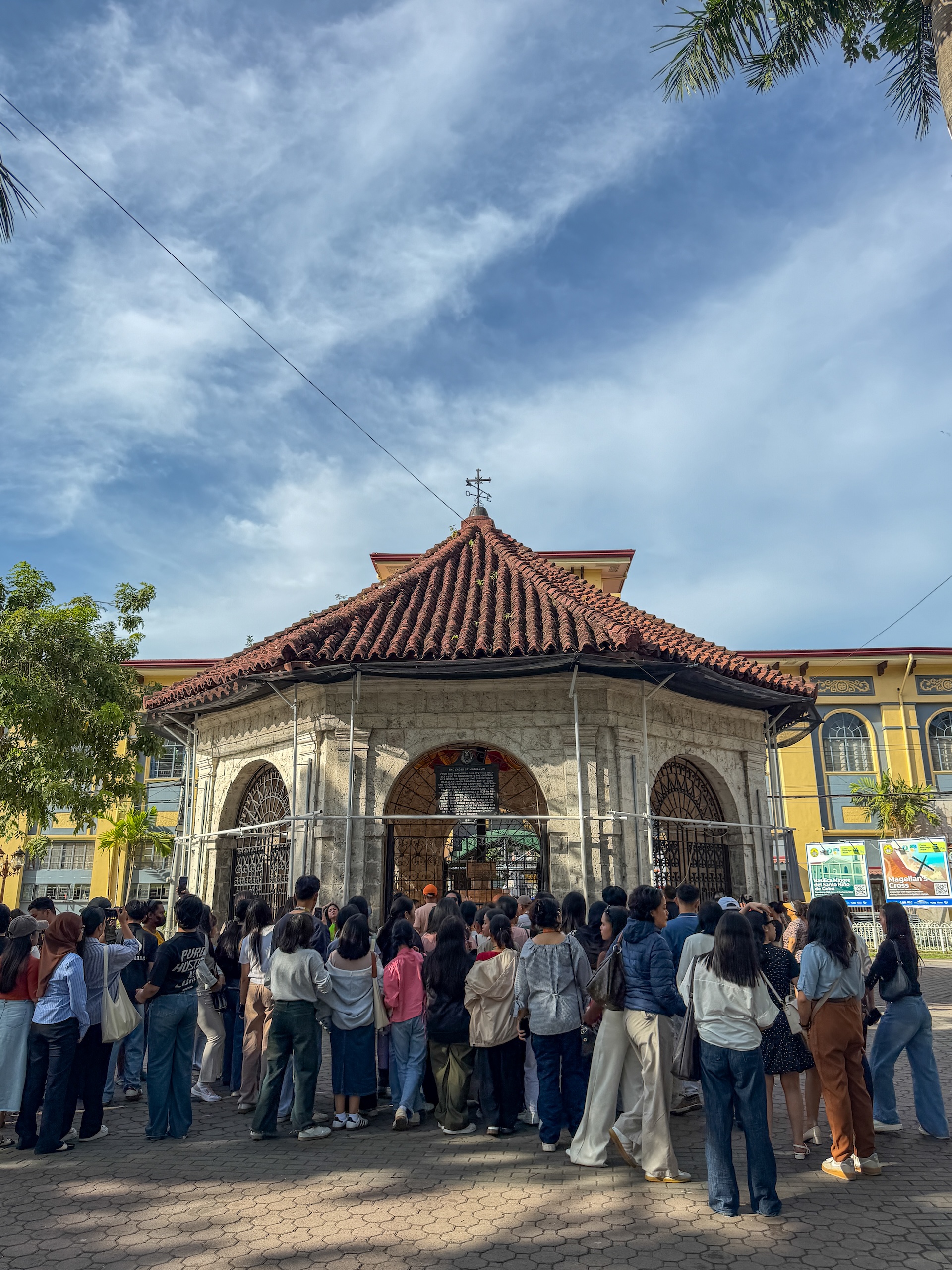
We did stop at Sto. Niño Church and Magellan’s Cross though, which sit right next to each other in the heart of downtown. I’ll be honest — I always find it interesting how churches and religious sites feature so heavily in Philippine city tours, and then I remind myself that Filipinos have a deep, genuine relationship with faith that isn’t something you can just footnote.
And the history here is actually worth knowing: Magellan’s Cross marks the spot where Ferdinand Magellan planted a wooden cross on April 14, 1521, during the first mass baptism of locals in Cebu — including Rajah Humabon and Queen Juana — making it the symbolic starting point of Catholicism in the Philippines. The original cross is now encased in tindalo wood to protect it from devotees who used to chip away pieces believing it had miraculous powers. Right beside it, the Basilica del Santo Niño was founded in 1565 and built on the very spot where Magellan’s statue of the Holy Child — given as a gift to Queen Juana — was discovered to have miraculously survived a fire. It’s the oldest Catholic church in the Philippines.
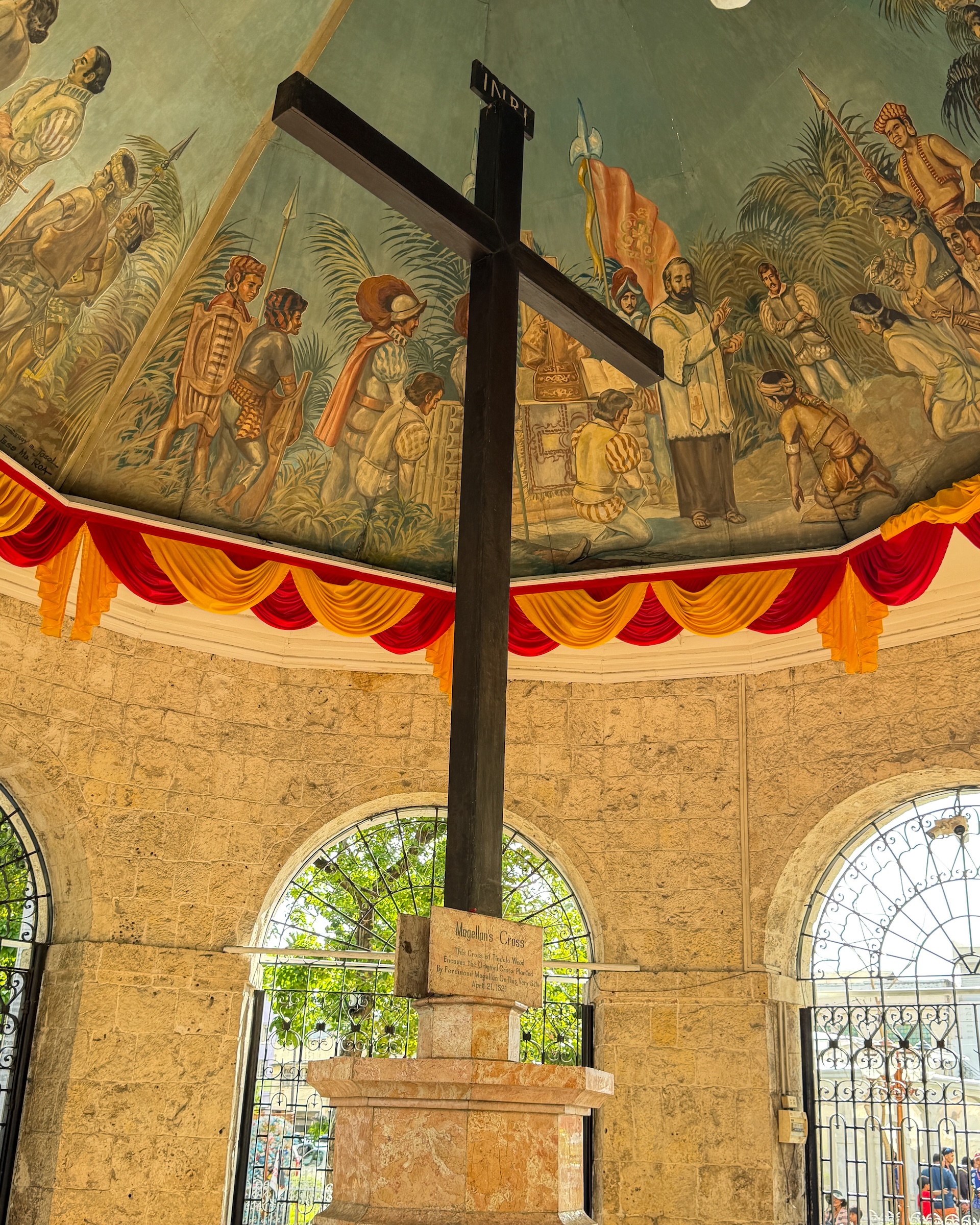
Even if you’re not religious, the weight of 500 years of history in one small plaza is hard to dismiss.
10,000 Roses Café
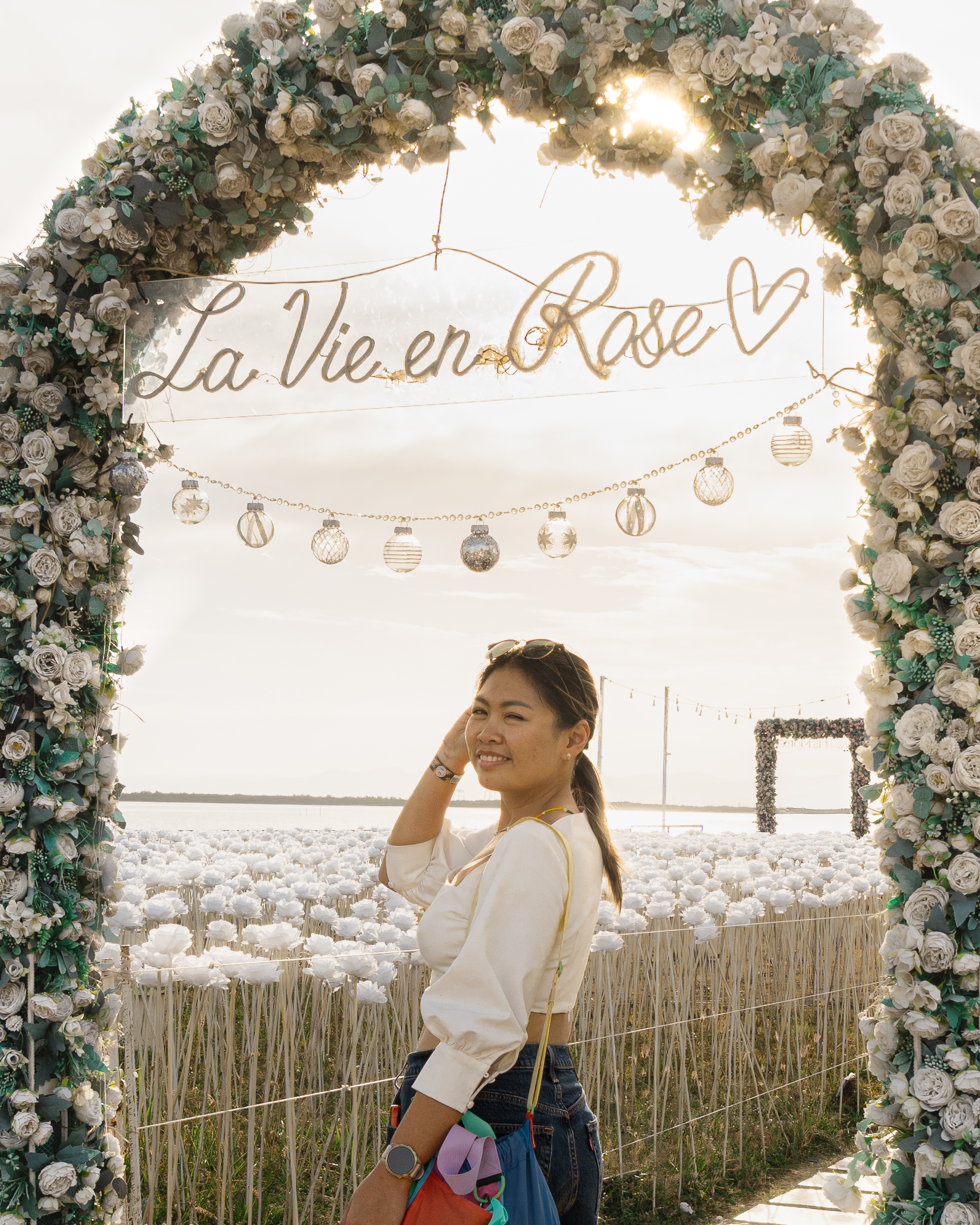
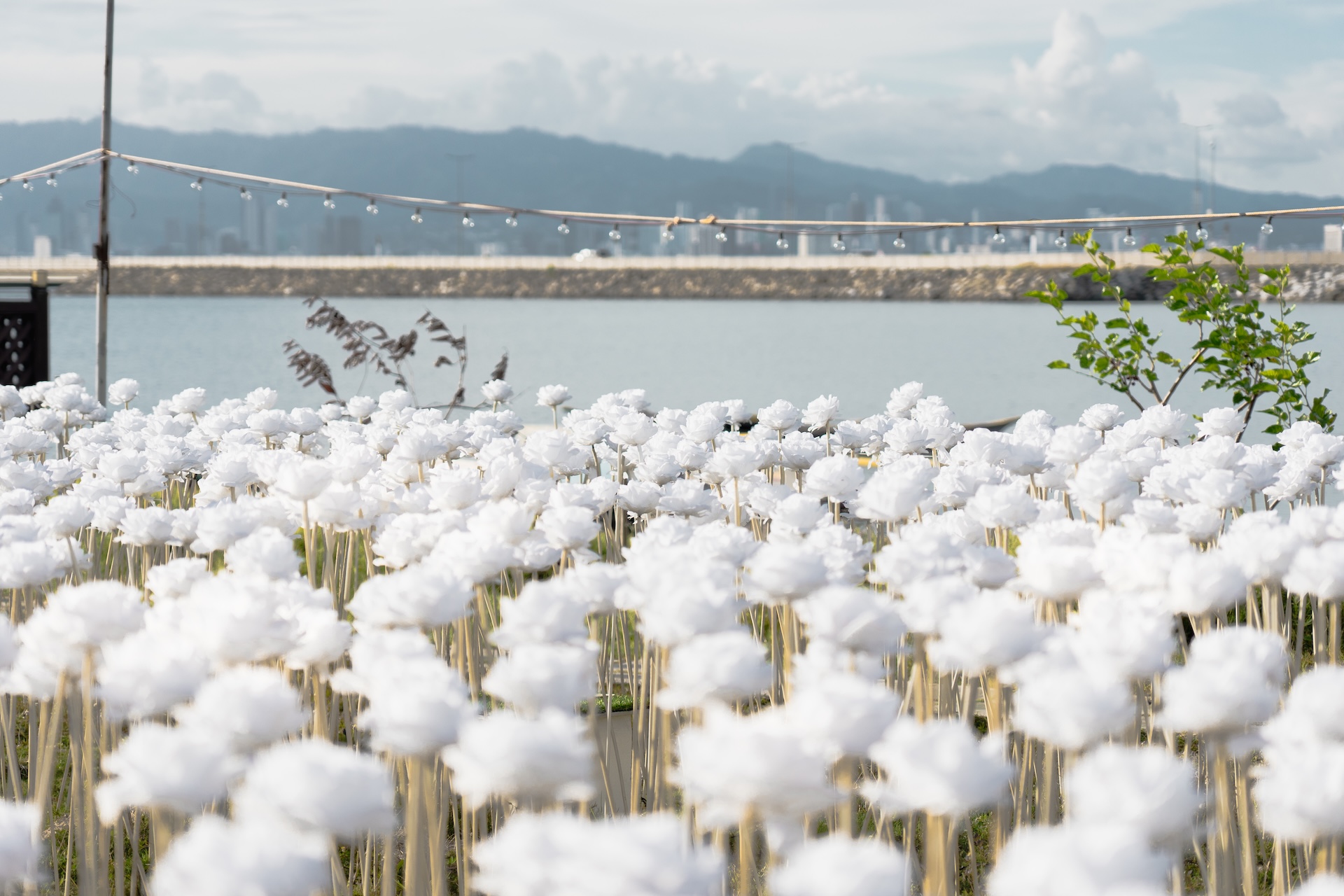
Last stop of the day was 10,000 Roses Café in Cordova, which is less of a historical site and more of a very well-executed photo destination. The owner installed thousands of white rose installations along the waterfront, which glow beautifully at golden hour. It’s pure aesthetic — and honestly after a full rainy day of touring, a waterfront café with dreamy vibes was very welcome.
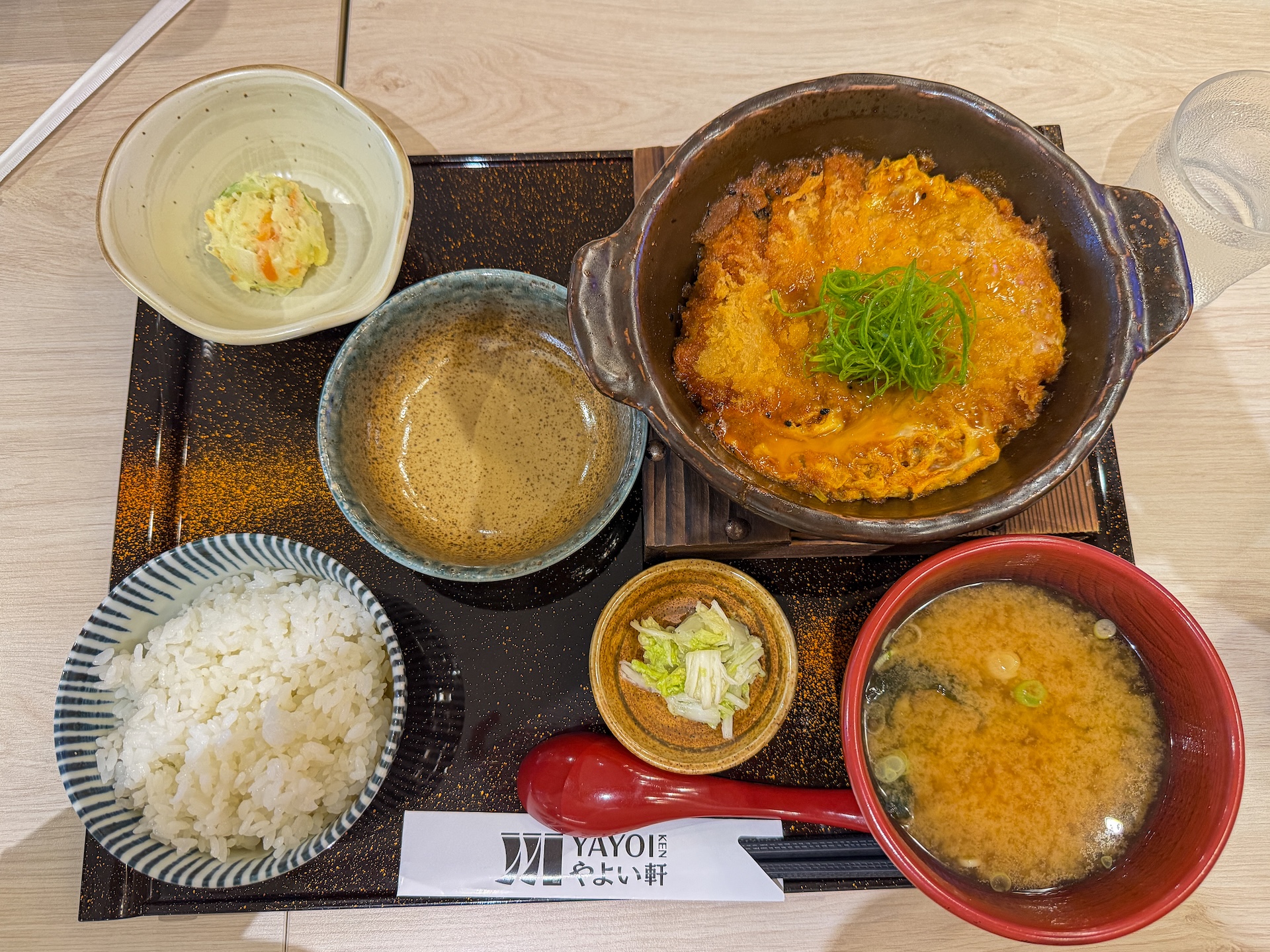
We wrapped up back in the city with dinner at Yayoi. A good, low-key ending to a long day.
And of course, the best part of any trip — the people you’re with. 🤍
Honest thoughts? The Cebu city tour was underwhelming for me. The historical stops are genuinely interesting if you dig into the stories behind them, but if you’re someone who’d rather be outdoors doing something active, I’d swap some of these for an island or adventure tour instead.
That said, my overall Cebu trip was so much fun, and the city tour was just one part of it. More posts coming — because we haven’t even gotten to the beaches yet. 🌊
I am sooo glad to be back into blogging. So how did I do on my first blog back? LOL.